Dentures, or false teeth, are an affordable tooth replacement option used to restore your smile. Our long-lasting dentures are expertly crafted, designed for your comfort and needs. Dentures are removable oral appliances that replace missing teeth in your upper jaw, lower jaw or both. Dental technicians craft dentures from materials like acrylic, resin, nylon, metal and porcelain. Types of dentures There are many different types of dentures. The option that’s right for you depends on your unique oral health needs. Full dentures Also called a complete denture, this appliance replaces an entire arch of missing teeth.
Full dentures are likely what comes to mind when you think about traditional dentures. They consist of artificial teeth and a gum-colored base. Partial dentures If you’re missing several or most of your teeth in one or both jaws, partial dentures may be an option. Immediate dentures Sometimes people need tooth extractions before they can wear dentures. An immediate denture is a device you wear right after extractions. Implant-retained dentures Instead of relying on your jawbone ridge and gums for support, implant-retained dentures attach to dental implants.
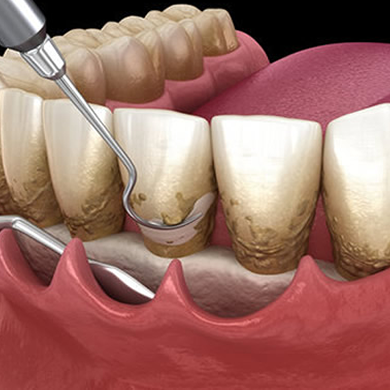
During the first appointment, the dentist examines your mouth, gums, and any remaining teeth to determine if dentures are a suitable option.

After the impressions, the lab creates a wax model or a trial set of dentures. You’ll have a fitting appointment where the dentist checks the fit, bite alignment, and comfort of the trial dentures.

Once the final dentures are ready, they are placed in your mouth, and the dentist ensures they fit well and function properly.